Haunted House - 3D Shadow Box Template: A Practical Tool for Halloween Crafting
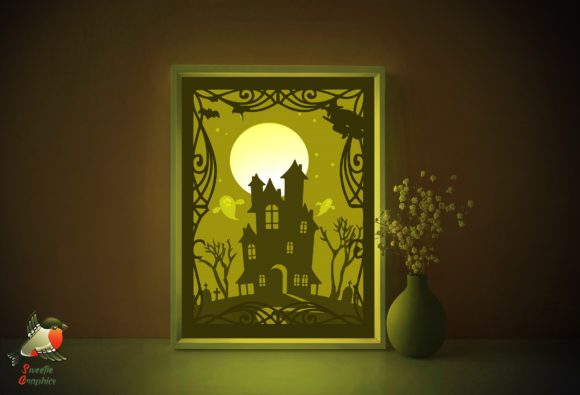
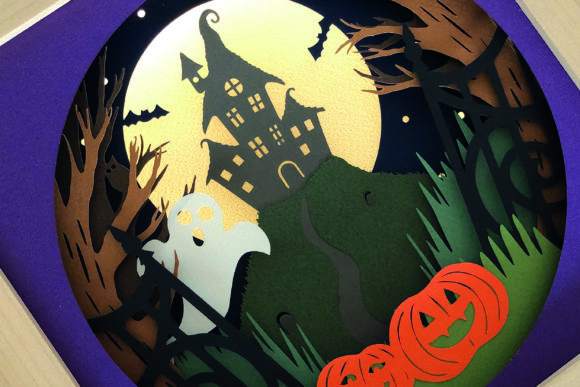
The Haunted House - 3D Shadow Box Template is a versatile digital design resource ideal for Halloween-themed crafting. Whether you're a hobbyist, educator, or small business owner, this template offers a structured way to create intricate 3D shadow boxes that are both decorative and engaging. Designed for flexibility, it supports both manual and machine-based cutting methods, making it accessible to a wide range of users regardless of their toolset or experience level.
At its core, the template includes layered file types such as DXF, SVG, PNG, EPS, and PDF, allowing seamless integration with popular cutting machines like the Silhouette Cameo or Cricut. For those who prefer hand-cutting, mirrored PDF versions in 8” and 9” sizes are included, ready for direct printing and cutting. This dual approach ensures that users can choose the method that best fits their current capabilities and project requirements.
How It Fits Into Your Creative Workflow
Integrating the Haunted House - 3D Shadow Box Template into your creative process begins with planning. Before diving into the physical creation, it’s helpful to outline how the shadow box will be used—whether as a seasonal decoration, a gift, or part of a product line for sale. This step helps determine the scale, materials, and time investment required.
Once the purpose is clear, the next step is selecting the appropriate file format based on your cutting method. If you're using a machine like Cricut or Silhouette Cameo, importing the layered SVG or DXF files into your design software allows for precise adjustments and resizing. Since the design is supplied as an 8-inch square (20cm x 20cm), it’s easy to upscale or downscale while maintaining proportionality and detail.
For hand-cutters, the mirrored PDF versions eliminate the need for additional flipping during assembly. This thoughtful design feature saves time and reduces the chance of errors, especially for beginners. It’s also worth noting that the templates are pre-organized into layers, which simplifies the cutting and assembly process by clearly separating foreground, midground, and background elements.
Material Preparation and Assembly Tips
Before cutting begins, gathering the necessary materials is essential. The provided instructions include a detailed list of recommended supplies, such as cardstock, glue, foam tape for spacers, and a frame or shadow box base. Ensuring that all materials are on hand before starting helps maintain a smooth and uninterrupted workflow.
When assembling the layers, using spacers is key to achieving the 3D effect. These spacers—often made from foam squares or cut cardstock—create depth by lifting certain elements off the background. The included instructions guide users through creating custom spacers that match the design’s complexity, ensuring professional-looking results without requiring advanced tools.
For those working with a team or teaching others, this project offers an excellent opportunity to demonstrate layering techniques, spatial awareness, and material management. Educators can use the template to teach design principles, while small business owners might incorporate it into a product-making workflow for seasonal sales or custom orders.
Compatibility and Customization
One of the standout features of the Haunted House - 3D Shadow Box Template is its compatibility across platforms and cutting methods. Whether you're using a digital workflow with a machine or a manual process with scissors and a ruler, the template adapts without compromising quality. This cross-compatibility makes it a valuable asset for creators who may not have access to high-end equipment but still want to produce professional-grade results.
Customization is also straightforward. Because the design is layered, users can easily modify individual components—changing colors, adjusting spacing, or even combining elements with other Halloween-themed designs. This flexibility supports creative experimentation while maintaining the structural integrity of the shadow box format.
Additionally, the ability to resize the design in cutting software means the template can be adapted for different applications. For example, a smaller version might serve as a greeting card insert, while a larger version could be framed as wall art. These variations allow the same base design to serve multiple purposes within a broader creative strategy.
Quality Control and Long-Term Use
Ensuring consistent results with repeated use of the Haunted House - 3D Shadow Box Template requires attention to detail during both cutting and assembly. For machine users, maintaining sharp blades and proper material alignment helps preserve the intricate details of the design. For hand-cutters, using a lightbox or printed grid lines can improve accuracy and reduce assembly time.
Storing the digital files in an organized folder system allows for easy retrieval and reuse. Labeling files by size and format—such as “Haunted_House_8inch_SVG” or “Haunted_House_9inch_PDF”—streamlines future projects and supports efficient workflow management. This kind of organization is especially useful for entrepreneurs or educators who may reuse the design across multiple projects or seasons.
Over time, the template can become part of a broader Halloween crafting toolkit, complementing other seasonal designs and materials. By maintaining a library of compatible templates and resources, users can reduce preparation time and focus more on execution and customization.
Practical Applications Beyond Decoration
While the Haunted House - 3D Shadow Box Template is primarily designed for decoration, its potential applications extend into education, marketing, and small business development. Educators can use it as a hands-on project to teach design thinking, spatial reasoning, and fine motor skills. The structured layers and assembly process provide a tangible way to explore 3D composition and material interaction.
For small business owners, particularly those in the crafting or seasonal decor niche, this template offers a ready-to-use product that can be customized and sold. Whether as a DIY kit or a finished item, the shadow box format appeals to customers looking for unique, handmade decorations. It also serves as a foundation for bundling with other Halloween-themed designs, increasing perceived value and customer engagement.
Marketers and bloggers can integrate the template into content strategies by creating tutorials, project roundups, or gift guides. Featuring step-by-step instructions or behind-the-scenes looks at the creation process can drive engagement and attract a targeted audience interested in crafting and seasonal decor.
Conclusion
The Haunted House - 3D Shadow Box Template is more than just a Halloween craft—it’s a practical tool that fits seamlessly into creative workflows, whether you’re a hobbyist, educator, or entrepreneur. Its compatibility with both machine and manual cutting methods, combined with layered, resizable files and clear assembly instructions, makes it accessible and adaptable for a wide range of users.
By integrating this template into your planning and production process, you can streamline crafting efforts, reduce preparation time, and achieve consistent, high-quality results. Whether used for personal enjoyment, educational purposes, or commercial applications, the haunted house shadow box offers a creative and engaging way to celebrate Halloween with a handmade touch.